
Losing a parent or loved one is hard enough without a court process layered on top of it. If you have been named an executor, appointed as administrator, or inherited a home alongside your siblings, you are probably asking the same question thousands of California families ask every year: how do I actually sell a house that is in probate?
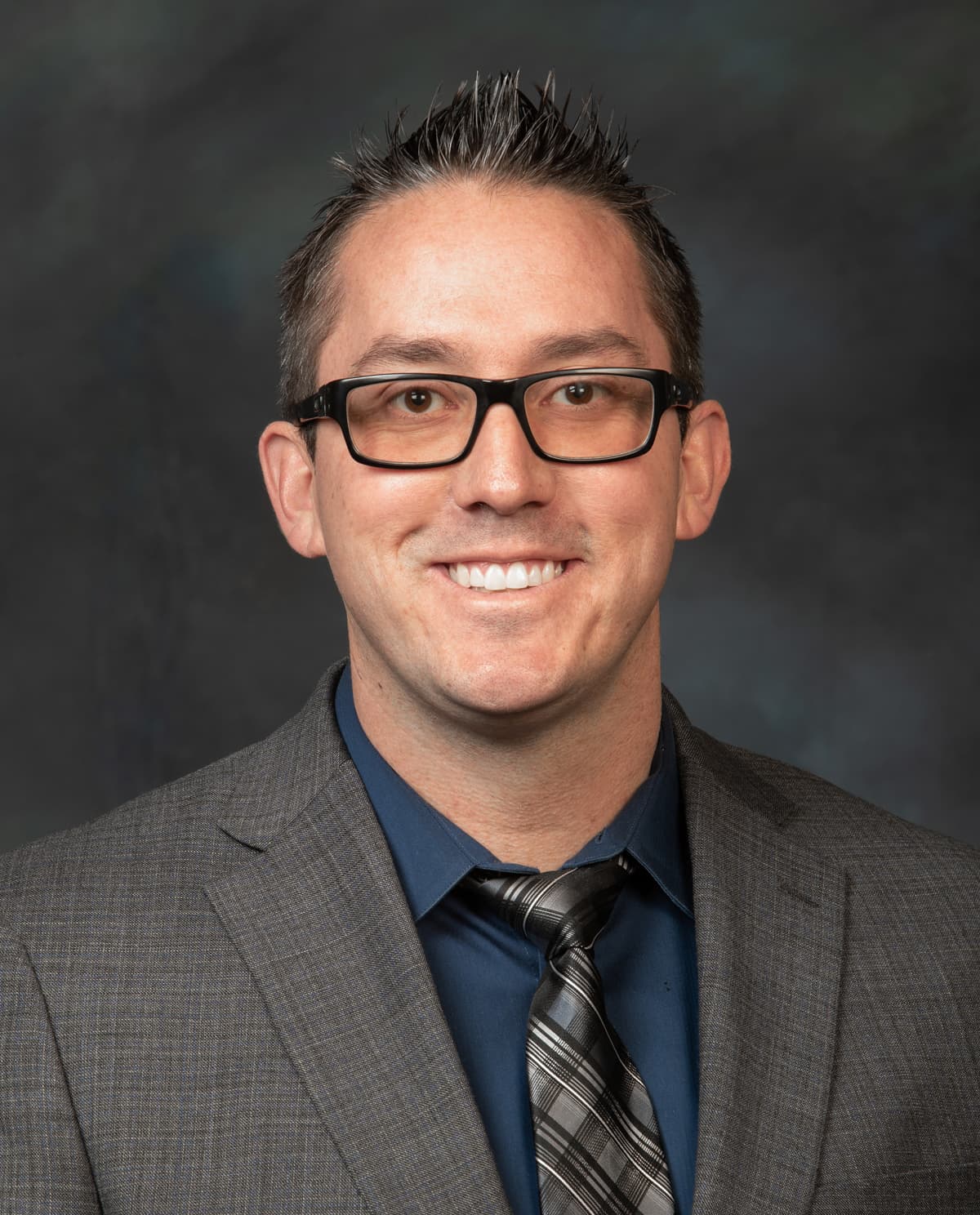
I'm Mike Watson, an Antelope Valley Realtor working this market since 2002. I help executors, administrators, and heirs across the Antelope Valley and greater Los Angeles County sell probate and inherited homes with as little friction as possible. This guide explains the California probate sale process in plain language so you know what to expect before you start.
Just need to talk it through? The probate home sales page has a free, no-obligation consultation request. Tell me where the estate stands and I will tell you your options. No pressure, no obligation.
What is a probate sale?
A probate sale is the sale of real estate that belonged to someone who has died, carried out under the supervision of the California probate court. When a person passes away owning a home in their own name, that home usually cannot simply be sold or signed over. It first has to move through probate, the legal process that settles the estate, pays its debts, and distributes what is left to the heirs.
The court appoints a personal representative to manage the estate. If there is a will, that person is the executor. If there is no will, the court appoints an administrator. Either way, the representative is the one with legal authority to list and sell the property.
Does every inherited home have to go through probate?
No, and this is the first thing worth checking, because avoiding probate can save months. A home may not need probate when:
- It was held in a living trust. The successor trustee can usually sell it directly, with no court involvement. This is called a trust sale.
- It was owned in joint tenancy or as community property with right of survivorship, so it passed automatically to the surviving co-owner.
- The estate is small enough to use a simplified procedure, or the transfer qualifies as a surviving-spouse transfer through a Spousal Property Petition.
If none of those apply and the home was in the deceased person's name alone, a formal probate is typically required before it can be sold. A probate attorney can confirm which path fits your specific situation, and it is worth that conversation early.
Does a will avoid probate?
No. This is the misconception that stalls more families than any other. A will tells the court who should inherit and who should serve as executor, but it does not skip formal probate when the home is still a probate asset titled only in the decedent's name. The will has to be admitted, the court has to appoint the representative, and letters have to issue before that representative can list or sell. A trust, a survivorship deed, or a spousal or small-estate order can pass title without those letters.
Two words you will hear from the attorney and the title company: testate means the person died with a will (the court appoints an executor), and intestate means they died without one (the court appoints an administrator). The job of selling the home is the same either way. If there is no will, California succession rules decide who inherits. That order is specific, so a probate attorney should map it out rather than guessing from family conversations.
What typically does skip probate is how title was held: a funded living trust, joint tenancy, community property with right of survivorship, and certain small-estate and surviving-spouse procedures, as listed above.
The California probate sale process, step by step
Every estate is a little different. Most sales share the first four stages. Confirmation and overbidding happen when authority is limited, or when someone objects to a full-authority Notice of Proposed Action. They are not what every sale does.
1. Open probate and get appointed
Someone files a petition with the probate court to open the estate. After a hearing, the court appoints the executor or administrator and issues Letters Testamentary or Letters of Administration. Those letters are the proof of authority that escrow and title will ask for when the home is being sold through the probate. Before letters issue, no one has legal authority to sell that probate asset, and title will not insure the transfer. A trust, survivorship deed, or spousal or small-estate order is a different path and does not use these letters.
2. The probate referee appraisal
California assigns a court-appointed probate referee to appraise the estate's non-cash assets, including the home. Letters are enough to list. The appraisal does not have to be finished first. When a sale needs court confirmation, the appraisal has to be current before the hearing, and the accepted offer generally has to be at least 90 percent of that value. A full-authority sale that never goes to hearing does not have that gate.
3. List, market, and accept an offer
The home goes on the market, almost always sold as-is, once letters have issued. The representative reviews offers and accepts the strongest one. That offer stays subject to court confirmation when authority is limited. On a court-confirmed sale, price it against the referee appraisal: the accepted offer generally has to clear 90 percent of that value.
4. Notice of Proposed Action or a court hearing
What happens next depends on the representative's authority (more on that below). With full authority, affected heirs and devisees, and anyone who requested special notice, get a 15-day Notice of Proposed Action. If no one objects in writing, the sale can close without a hearing. A written objection sends that sale back under court supervision. With limited authority, the court sets a confirmation hearing.
5. Confirmation and overbidding, when they apply
This stage is not automatic. It applies when authority is limited, or when someone objects to a full-authority notice. At the confirmation hearing, the judge can confirm the sale, and other buyers are allowed to overbid in open court. Whoever wins, the original buyer or an overbidder, then closes escrow, and the net proceeds flow to the estate for distribution to the heirs. A full-authority sale that draws no objection skips this hearing and closes after the notice period.
The sale sits in a longer probate timeline
The stages above are the real-estate piece. Uncontested probate as a whole is longer. The home can (and usually should) be listed once Letters are issued, while creditor notice and the inventory are still underway. A court-confirmed sale still needs a current referee appraisal before the hearing. Closing the estate comes later.
- Petition and appointment hearing. Someone files to probate the will or for Letters of Administration. The court holds a hearing and appoints the personal representative.
- Letters issue. Letters Testamentary or Letters of Administration prove the representative can act. This is the green light to list.
- List while notice and inventory run. Creditor notice does not have to finish before the home is listed. The probate referee appraisal can happen alongside the listing. It has to be current before a confirmation hearing, and it is the baseline for a court-confirmed sale. It is not a gate for a full-authority close that never goes to hearing.
- The home sale. Most families sell through a private negotiated listing on the MLS. A public auction is also possible, though less common. Full-authority sales close after the 15-day Notice of Proposed Action if no one objects in writing. Limited-authority sales, and full-authority sales that draw an objection, go through court confirmation and overbidding.
- Accounting, distribution, and discharge. After the sale, the attorney handles remaining tax filings if any apply, files a final accounting, obtains the court distribution order, and the representative is discharged. The estate then closes.
That last point matters for heirs who are waiting on a check. Sale proceeds go to the estate first. Distribution to the family waits on the remaining probate steps, not on the close of escrow.
Full authority vs. court confirmation
The single biggest factor in how complicated your sale will be is the representative's level of authority under the Independent Administration of Estates Act (IAEA).
| Path | What it means | Speed |
|---|---|---|
| Full authority | The representative can sell without a confirmation hearing. Affected heirs and devisees, and anyone who requested special notice, receive a 15-day Notice of Proposed Action. If no one objects in writing, the sale closes much like a standard transaction, which can include an inspection period and a loan. A written objection sends that sale back under court supervision. | Faster |
| Limited authority | The accepted offer is subject to court confirmation. A hearing is scheduled, the judge confirms the sale, and open overbidding is allowed. | Slower, more steps |
Court confirmation is not a bad outcome. A well-marketed confirmation sale can actually push the price higher, because competing buyers know they have one shot to bid in the room.
How overbidding works (with a real example)
This is the part of probate that surprises most families. At a confirmation hearing, the accepted offer is just the starting point. Other buyers can show up and bid higher in open court. California sets the minimum first overbid by a formula: the accepted price, plus 10 percent of the first $10,000, plus 5 percent of the remaining balance.
| Step | Amount |
|---|---|
| Accepted offer | $500,000 |
| 10% of the first $10,000 | + $1,000 |
| 5% of the remaining $490,000 | + $24,500 |
| Minimum first overbid | $525,500 |
After that first overbid, the judge sets the increments for any further bidding. Overbidders generally need to arrive with a 10 percent deposit in the form of a cashier's check. The overbid made in the courtroom is generally not contingent on financing or inspections. The original accepted offer can still include an inspection period and a loan, especially on a full-authority sale. For the estate, overbidding is a good thing: it is free money the heirs did not have to negotiate for.
Probate homes are sold as-is
Probate homes are almost always sold as-is. That is a contract choice, not the result of a disclosure rule. A personal representative selling while administering the estate is typically exempt from the standard Transfer Disclosure Statement because the transfer is by a fiduciary, not because they never lived in the house. An executor who lived there is still exempt. An heir who already took title and then sells is not exempt just because they never lived there.
As-is does not mean no disclosures at all. Items like the Natural Hazard Disclosure can still apply, and buyers are always encouraged to complete their own inspections. It also does not mean you cannot prepare the home. A focused cleanout, a few targeted repairs, and light staging often return far more than they cost, especially when the goal is to attract competing buyers at a confirmation hearing.
What does it cost, and how long does it take?
Selling costs in a probate sale are similar to a standard sale: the real estate commission, title, and escrow. The estate also pays the probate referee appraisal and any court or attorney fees. The important part for most families: these are paid out of the sale proceeds, so heirs rarely write a check out of pocket.
On timing, California probate commonly runs 9 to 18 months from start to finish. The home can usually be listed once the court has issued letters. Creditor notice does not have to finish first, and the final accounting is prepared after the sale. A court-confirmed sale still needs a current probate referee appraisal before the judge can confirm it. Final distribution of proceeds to heirs waits on the broader estate wrap-up. Court calendars, whether confirmation is required, and how clean the estate paperwork is all move that number.
Five ways to protect the estate's value
- Confirm whether probate is even required before assuming it is. A trust or joint tenancy can skip the whole process.
- Price against the referee appraisal when the sale needs court confirmation. That value is the baseline the judge uses, and buyers know the 90 percent rule.
- Market for overbidders. In a confirmation sale, competition at the hearing is what drives the final number up.
- Do the cleanout and light prep. An empty, clean, presentable home almost always sells for more than a cluttered one, even as-is.
- Work with your estate attorney and agent as a team. Coordination on notices, hearing dates, and deadlines is what keeps the sale from stalling.
Serving the Antelope Valley and Los Angeles County
I help families with probate and inherited home sales throughout the Antelope Valley, including Lancaster, Palmdale, Rosamond, Acton, and Quartz Hill, as well as the greater Los Angeles County area. Many executors and heirs live out of the area, sometimes out of state, so much of the process can be handled remotely. You do not have to fly in to get this done.
If you are early in the process, the probate home sales page lays out how I work and has a free consultation request. When you are ready to understand what the home is worth in today's market, the free home valuation tool is a no-obligation starting point.
One important note: this article is general information, not legal advice. Probate rules are specific and the stakes are real. Always confirm your situation with a qualified California probate attorney.
Frequently Asked Questions: Probate Home Sales in California
What is a probate sale in California?
A probate sale is a sale by the estate's personal representative during probate administration. An executor named in the will, or a court-appointed administrator, sells the property to pay estate debts and distribute the proceeds to the heirs. Court confirmation is required when authority is limited, or when someone objects to a full-authority notice. It is not required for every probate sale.
How long does a probate sale take in California?
California probate commonly runs 9 to 18 months from start to finish. The home can usually be listed once the court has issued letters. Creditor notice does not have to finish first, and the final accounting is prepared after the sale. A court-confirmed sale still needs a current probate referee appraisal before the judge can confirm it. The exact timeline depends on the court calendar, whether court confirmation is required, and how clean the estate paperwork is. Final distribution of proceeds to heirs waits on the broader estate wrap-up.
Do all probate sales require a court confirmation hearing?
No. When the representative has full authority under the Independent Administration of Estates Act, affected heirs and devisees, and anyone who requested special notice, receive a 15-day Notice of Proposed Action. If no one objects in writing, the home can be sold without a confirmation hearing. A written objection sends that sale back under court supervision. When authority is limited, the sale is subject to court confirmation and open overbidding.
What is the minimum overbid at a probate court confirmation hearing?
The statutory first overbid is the accepted price plus 10 percent of the first $10,000 plus 5 percent of the remaining balance. On a $500,000 accepted offer, that is a first overbid of $525,500. The judge then sets the increments for any further bidding.
Are probate homes sold as-is?
Almost always, as a contract choice. A personal representative selling while administering the estate is typically exempt from the standard Transfer Disclosure Statement because the transfer is by a fiduciary, not because they never lived in the home. An heir who already took title is not exempt just because they never lived there. Other disclosures such as the Natural Hazard Disclosure may still apply, and buyers should always complete their own inspections.
Can I sell an inherited house without going through probate?
Sometimes. If the home was held in a living trust, the successor trustee can usually sell it directly with no probate. Small estates, surviving-spouse transfers, and joint-tenancy property may also qualify for simplified procedures. A probate attorney can confirm which path fits your situation.
Does having a will avoid probate in California?
No, not when the home is still a probate asset titled only in the decedent's name. A will tells the court who should inherit and who should serve as executor, but it does not skip formal probate for that home. A funded living trust, joint tenancy, community property with right of survivorship, and certain small-estate and surviving-spouse procedures can transfer the home without a full probate.
I have the will. Can I sell the house now?
Not if the home is still in the decedent's name and has to be sold through probate. The will has to be admitted, and the court has to issue Letters Testamentary (or Letters of Administration if there is no will) before that representative can list or sell. Title and escrow will not close that probate sale without those letters. A trust, a survivorship deed, or a spousal or small-estate order can pass title without them.
After the house sells, is probate finished?
Usually not. Selling the home is often the biggest asset step, but the estate typically still needs creditor notice, a final accounting, a court distribution order, and discharge of the personal representative. Sale proceeds go to the estate first, then to the heirs after those remaining steps.
Who pays the costs of selling a probate property?
Selling costs such as commission, title, and escrow, along with the probate referee appraisal and court or attorney fees, are paid by the estate out of the sale proceeds. Heirs rarely pay anything out of pocket.
Do I need a Realtor who specializes in probate sales?
It helps significantly. A probate-experienced agent prices the home against the referee appraisal, markets it to attract overbidders and maximize the estate value, coordinates with the estate attorney, and handles the court-confirmation logistics that a typical sale never involves.
What areas do you serve for probate and inherited home sales?
Mike Watson serves the entire Antelope Valley, including Lancaster, Palmdale, Rosamond, Acton, and Quartz Hill, as well as greater Los Angeles County. Out-of-area executors and heirs are welcome, and most of the process can be handled remotely.