Free help does not start with a fee
Foreclosure and Short-Sale Rescue Scams in California
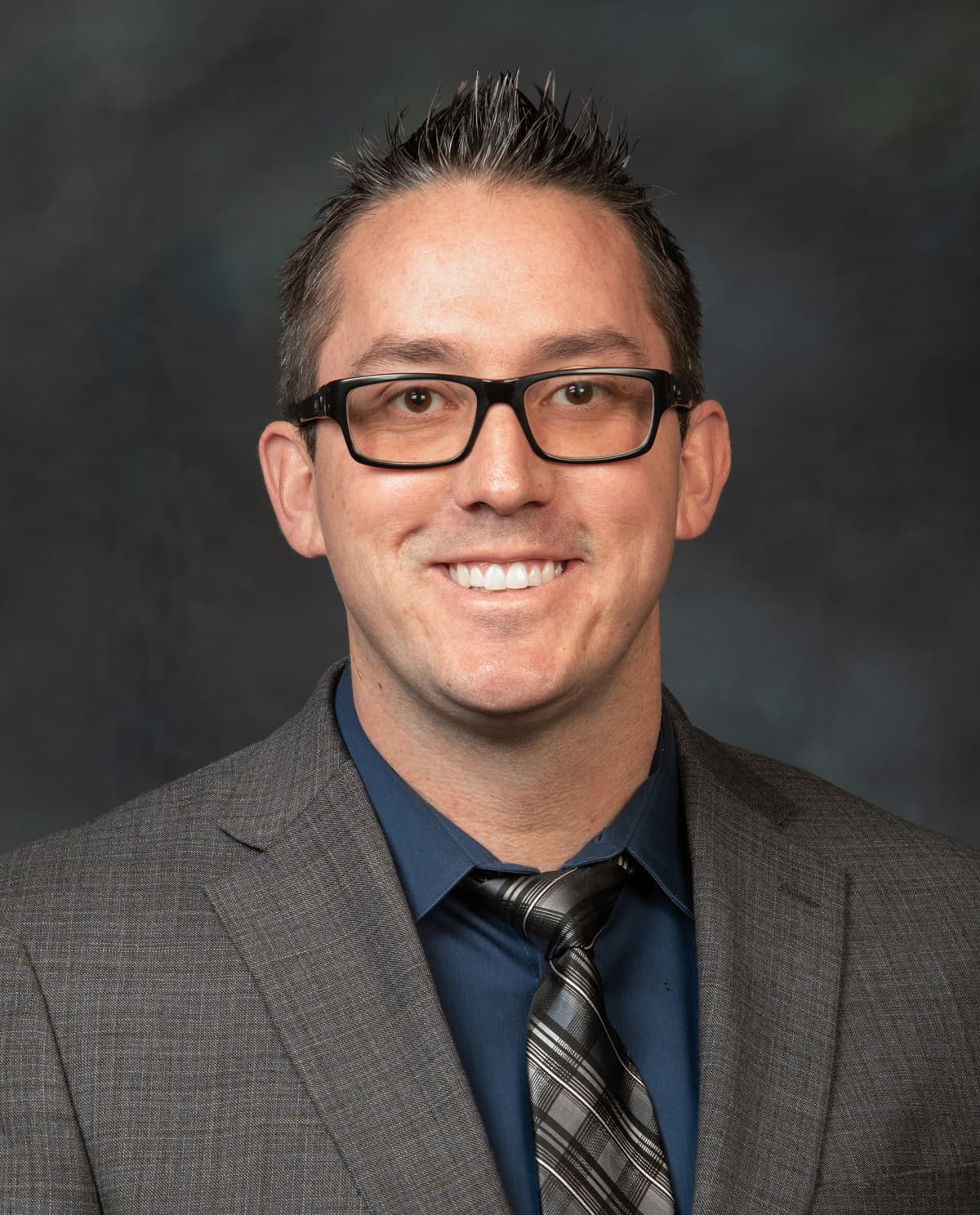
By Mike Watson, Realtor, DRE #01712313. Updated September 2026.
Short answer
A foreclosure-rescue scam asks for money up front, a quitclaim, or a promise to stop the sale if you stop calling your servicer. HUD counseling is free at 800-569-4287. Check any real estate license at dre.ca.gov. A real cash offer can still be legitimate. Compare that net with a listing net before you decide. Do not sign away title. If a notice is already recorded, a housing attorney should read it.
Talk to Mike
Call or text (661) 733-2196
Mike follows up personally. You get the same agent who writes the offer, not a junior handoff.
I am Mike Watson, DRE #01712313. Look the number up before you take my word for it. The phone is (661) 733-2196, and I answer it myself. Career production is 1,210+ closed transactions and $317M+ in volume since 2002, with the live as-of date on the track record page. This page is about the people who show up when a Lancaster or Palmdale owner is behind. Some of them are doing a real job. A HUD counselor, a housing attorney, a CPA, and a licensee who lists the house are doing real jobs. A rescuer who wants money first, or a deed first, is not. The California Attorney General and the California Courts self-help guide both warn that foreclosure help is a scam market. Read this before you sign. If you already signed, the last section is the one you need, and it starts with an attorney, not with another helper.
What the pitch sounds like
The script is old because it works on tired people. Someone knocks, calls, or sends a postcard that already knows you are late. They say they have a relationship with your bank. They say a sale date can be wiped out if you move today. They say lawyers are too slow and the servicer will trick you if you call. They put a form in front of you with a fee, a quitclaim, or both. Sometimes the form is called a consulting agreement, a trust, a lease-back, or a partnership. The label is not the test. The test is whether money or title moves before any work is finished, and whether you are told to go silent with the servicer. The Attorney General's foreclosure-scam page is the public version of that warning. I am not inventing a local crime wave, and I am not printing a count of scams. One signature is enough to ruin a file. You do not need a statistic to hang up.
Short-sale rescue is the same script with a different noun. The pitch says the bank has a secret short-sale desk, that you must stop paying to be considered, and that their negotiator is the only one who can get the approval. Stopping payments on purpose is not a plan I will bless. A short sale is a written servicer approval of a sale under the payoff. It often takes months. Los Angeles County does not run a side statute that a private negotiator can unlock. If someone guarantees an approval before the servicer has seen a package, they are selling a feeling. The servicer decides. A Realtor can package a listing and a hardship file. A Realtor cannot promise the letter.
Upfront fees
Do not pay a large fee up front to save the house. Civil Code 2945.4 says it is a violation for a foreclosure consultant to claim, demand, charge, collect, or receive any compensation until every service they contracted to perform, or said they would perform, is fully done. The same section restricts taking a lien or a wage assignment to secure that fee, taking a power of attorney from the owner, and acquiring an interest in the residence in foreclosure from an owner they contracted with. Those are statutory lines, not etiquette. A housing attorney reads whether the person in your kitchen even fits the definition of a foreclosure consultant, because the definition has carve-outs, including some licensed people acting inside their license. A carve-out is not a permission slip to collect a rescue fee in cash on the driveway.
Loan-modification and forbearance advances are a second set of rules. Civil Code 2944.7 and Business and Professions Code 10085.6 restrict collecting a fee for those services before the work is fully performed, including when a real estate licensee is the one offering the service. The Department of Real Estate has said for years that splitting the job into tiny paid steps does not dodge that ban. I am not your enforcement agency. I am telling you the practical version: if the product is "we will get your loan modified" and the price is due today, do not pay it. A real modification is a written decision from the servicer after a package. HUD counseling to help you assemble that package is free at 800-569-4287. A listing commission, if we later list the house, is a different contract. It is not a rescue fee, and it is not collected so that I can pretend to be your loss-mitigation department.
Pitch versus the lawful version
| If they say | The lawful version | Your move |
|---|---|---|
| Pay us today and the sale stops | A foreclosure consultant generally cannot collect before the work is done | Do not pay. Call a HUD counselor. |
| Sign the quitclaim so we can negotiate | A deed can move title and leave you on the note | Do not sign. Call a housing attorney. |
| Stop calling your servicer | Only the servicer can reinstate or approve a plan | Call the servicer anyway. |
| We guarantee the modification | The servicer approves in writing, or does not | Walk away from the guarantee. |
| This cash price expires tonight | A real cash offer can be compared on a net sheet | Compare the net. Sleep on it if you can. |
| Recording a listing cancels the auction | AB 2424 is delivery to the trustee, not a county recording, and not a sure stay | Ask a broker and an attorney, early. |
Quitclaims and other deeds
A quitclaim gives whatever interest you have, if any, to the person you name. It does not negotiate with the bank. It does not remove your signature from the note. Homeowners sign these because the rescuer says title has to move before the bank will talk, or because the form is described as temporary. Temporary is not what the recorder sees. Civil Code 2945.4(e) makes it a violation for a foreclosure consultant to acquire an interest in the residence from an owner they contracted with, and an interest taken that way can be voidable, with a protection in the statute for some bona fide purchasers. That is a lawsuit, not a comfort. You do not want to test the voidable theory with your only house. Do not sign a grant deed, a trust transfer, or an "option" that is really a deed, until your own housing attorney has read it. A listing agreement is not a deed. If someone slides a deed into a stack of listing papers, stop the meeting.
Lease-backs are the cousin of the quitclaim. The pitch says you deed the house to an investor, they catch up the loan or buy it, and you rent from them with a chance to buy back later. Sometimes a real investor purchase is a real sale, with a real lease negotiated in the open, and you should still have an attorney read it because you are giving up ownership. The scam version never shows you the price, never shows you who holds title at the end, and takes the deed before any independent review. Ask three questions in writing. What is my net. What is the date. Whose name is on title the morning after. If the answers are "trust me," you already have the answer. Compare that path with a listed sale on one seller net sheet. Ownership is the asset. Do not trade it for a verbal right to stay.
Fake loan-modification shops
A fake shop borrows the vocabulary of a real loss-mitigation department. They talk about packages, hardship, and underwriting. Then they ask you to pay them, to send your mortgage payment to them, or to stop all contact with the servicer so the shop can be the single point of contact. The servicer is the single point of contact that matters. Payments go to the servicer, on the terms of your note, unless a written forbearance or modification from that servicer says otherwise. A shop that collects your payment and does not send it is how a one-month problem becomes a notice of default. A guarantee is the other tell. No one outside the servicer can promise a modification. I cannot. A counselor cannot. An attorney cannot force a yes, though an attorney can tell you if the servicer is ignoring a complete application.
If you want help with the package, use the free route. Call 800-569-4287 or search the CFPB counselor finder by ZIP. I do not keep a favorite local office on this page, because the office that picks up can change and a named desk goes stale. Counseling is free. Bring your statement, the reinstatement figure, and a short account of what changed. The counselor is allowed to be blunt about a plan you cannot afford. That bluntness is the service. A shop that only tells you yes, for a fee, is selling the sentence you wanted. After the counselor, if the numbers say a sale is cleaner than staying, call me for a price. The order is servicer and counselor first when the goal is to keep the house. A Realtor does not replace that step, and a Realtor who says you must skip it is someone to be careful with, license or not.
Pressure cash offers
A cash offer is not a scam by default. I want that sentence to be unmistakable, because owners who are behind get told that every investor is a predator, and then they ignore a number that would have solved the file. Cash can win when the trustee sale is close, when the roof or the unpermitted room will fail a buyer's loan, or when you need a date you can circle. The scam version is pressure plus concealment. They tell you the offer dies tonight. They will not put the net on paper. They want a deed before your attorney or your Realtor sees it. They tell you not to call the servicer because the bank will accelerate if you mention a buyer. Call the servicer. Ask a licensee to put the cash net and the list net on the same page: price, fees, repairs you skip, and the day the wire actually arrives. Speed has a price. Know the price.
I will not smear a cash buyer who shows the number and gives you time to read it. I will also not pretend a discount is a gift. In a lot of Lancaster and Palmdale sales the open-market net is higher even after repairs, and in some sales it is not. The house decides. Condition, a sale date inside the month, and a lien stack that will not clear on retail time are real reasons to take cash. A postcard that says "we buy houses" and will not identify a principal is not, by itself, one of those reasons. Ask who takes title. Ask whether they plan to assign the contract. Ask what happens to your possession after closing. Get those answers before you sign, not at the walk-through. If the sale date is the reason for the rush, also ask whether a proper AB 2424 listing packet would buy 45 days. Sometimes the time is worth more than the discount. Sometimes it is not. Measure both.
AB 2424 is not a product
Since January 1, 2025, people have started selling "foreclosure postponements" as if AB 2424 were a membership. It is a statute, Civil Code 2924f. For a residential property of not more than four units, if the trustee receives a listing agreement with a California-licensed broker, for placement on a publicly available marketing platform, at least five business days before the sale, the sale waits an additional 45 days. The trustee has to receive it. Delivery is certified mail through the Postal Service, or another overnight courier with tracking that confirms the recipient's signature and the date and time of delivery. Recording the listing with the county is not the requirement. A phone call is not the requirement. A purchase contract, received the same way at least five business days before a sale that was already postponed under the listing rule, can push the date again. None of that is a guaranteed stay if you miss the window or the packet does not qualify. Do not pay a consultant to "file" a postponement at the recorder. Hire a broker if you are actually going to list, and have an attorney look at the timing if the auction is close.
How to check who you are hiring
Before you sign a listing or a rescue contract, search the person and the company at dre.ca.gov. A real estate license is not a character reference, but the absence of one is a fact. My license is DRE #01712313. Confirm the spelling of the name, because more than one Mike Watson has held a California license. The page that separates us is on this site. A HUD counselor is not found on the DRE site. The counselor is found through 800-569-4287 or the CFPB finder. An attorney is found through the State Bar, not through a postcard. A CPA is found through the California Board of Accountancy if you are checking a license. Match the license to the job. A Realtor license does not make me your lawyer. A law license does not make someone your listing agent. The who to call page draws that line in a table.
Watch the payment path. Money for the mortgage goes to the servicer. Money for a counselor should be zero. Money for a consultant who says they will stop the sale should not be collected up front. Money for a listing, if you hire one, follows the listing agreement and is not a cash fee on day one for a promise to cancel an auction. If someone asks you to buy gift cards, wire a stranger, or sign over a car as the "retainer," leave. If they will not give you copies of what you signed, leave and then call an attorney, because the copy problem is already a problem. Keep a folder of names, dates, and what was said. That folder is what a counselor, an attorney, or a regulator can actually use. Your memory of a stressful porch conversation will not be as useful as a photo of the form.
If you already paid or already signed
Stop signing. Do not sign a second document to "fix" the first one, because the second document is often worse. Call a California housing attorney and tell them exactly what transferred: a fee, a quitclaim, a trust, a power of attorney, or a contract. Bring the copies. Call the servicer and tell them you are the borrower and you want loss mitigation in your own name, so a rescuer is not the only voice on the account. Call a HUD counselor. If a deed was recorded, an attorney needs to talk about whether it can be attacked, and I will not pretend a blog post unwinds a recording. You can also report the pitch to the Attorney General and, if a real estate license was used or faked, to the Department of Real Estate. Reporting does not put the house back by Friday. It is still worth doing, and it is not a substitute for the attorney.
Then go back to the actual options. The house is either keepable with a servicer plan, saleable with equity, slightly short so you bring cash, truly short so you ask for a written short sale, a candidate for a deed in lieu the lender accepts in writing, or headed to a trustee sale. Those rows are on the options matrix. The first two days after a miss are on the checklist. None of those rows starts with a fee to a stranger. If you want a price while the attorney reads a document, call (661) 733-2196. I will tell you the net. I will not tell you I can stop a sale because you paid me. I cannot, and anyone who says they can, for cash today, is the ad this page is about.
Sources
- California Attorney General, foreclosure scams (checked September 29, 2026)
- California Courts, foreclosure scams warning (checked September 29, 2026)
- Civil Code 2945.4, foreclosure consultant violations (fee timing, liens, power of attorney, and acquiring an interest)
- Civil Code 2944.7, loan-modification advance fees (confirm the current text before you rely on it)
- Business and Professions Code 10085.6 (licensee advance-fee limits on loan modification and forbearance)
- California Department of Real Estate (license lookup. DRE #01712313.)
- CFPB counselor finder (800-569-4287. Search by ZIP. No local office named.)
- Civil Code 2924f (AB 2424. Delivery to the trustee, not a county recording.)
This is general information from a local Realtor, not legal, tax, credit, or lending advice. Foreclosure, short-sale, and loss-mitigation rules depend on your loan type, occupancy, lien stack, and the documents you sign. Confirm current California law, your servicer's overlay, and tax treatment with a HUD-approved housing counselor (800-569-4287 or consumerfinance.gov/find-a-housing-counselor), a California housing attorney, and a CPA before you act. Dollar amounts, rates, waiting periods, and program status change. Equal Housing Opportunity.
Questions people ask
+What is a foreclosure-rescue scam in California?
+Can someone charge me up front to stop the sale?
+Should I sign a quitclaim to someone who says they will save the house?
+How do I spot a fake loan-modification shop?
+Is every cash offer a scam if I am behind on payments?
+Where do I check a license and get free counseling?
Related pages
★#1 Producing Individual Realtor — Antelope Valley
Only large teams outsell Mike Watson · Keller Williams Realty
Talk to Mike
Call or text (661) 733-2196
Mike follows up personally. You get the same agent who writes the offer, not a junior handoff.
Mike Watson, Realtor, Keller Williams Realty, DRE #01712313. 1401 West Rancho Vista Blvd Suite B, Palmdale CA 93551. Email mike@avwatson.com. There is more than one licensed Mike Watson in Southern California. Confirm this is DRE #01712313.